top of page

The Atlas, a collection
of local stories
Why?
A new National Park is being created in the Brabant region. Unlike traditional parks, it will also include the surrounding cities. We collected stories from the people who live there to better understand the communities that make up the land.
How can we collect the stories of a city
to inform the creation of a new kind of National Park?
How?
With a team of 17 researchers, we spent a month exploring the nature, crafts, emotions, industries, past, and future of the space, collecting over 50 individual stories.

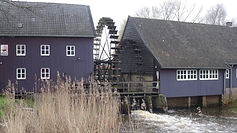

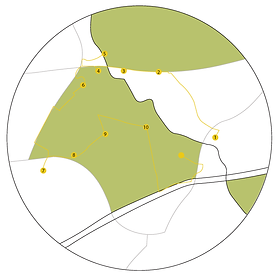
Images from an expert interview with Arie on the local water systems.
How do we structure the insights we gathered?
To synthesize the collected research within a tight timeframe, I organized a series of workshops that emphasized rapid decision-making towards curation.


In one of our final workshops, researchers were grouped into smaller teams, allowing for focused discussions and quicker consensus.
Through a series of iterative curation exercises, we collaboratively determined the insights we wanted to focus on, ensuring that every voice was heard and every perspective was considered.
This approach fostered a sense of ownership among all participants.
Then, what do we make out of our insights?
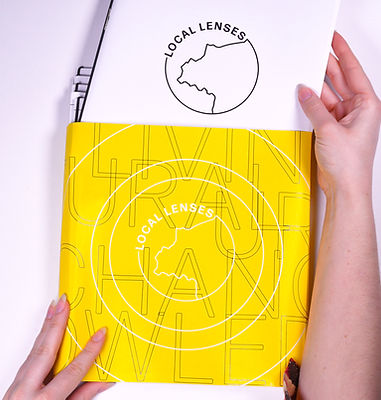
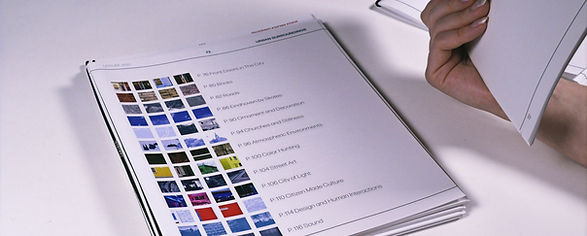
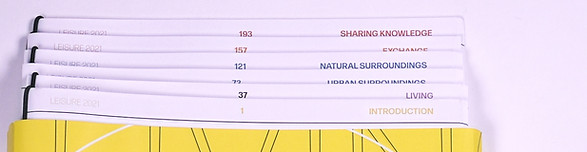
We turned the insights into an Atlas, organized into different themes, allowing us to connect the stories.


Acknowledgement:
Thank you to Van Gogh National Park, West 8, and the Leisure team for this project.
bottom of page